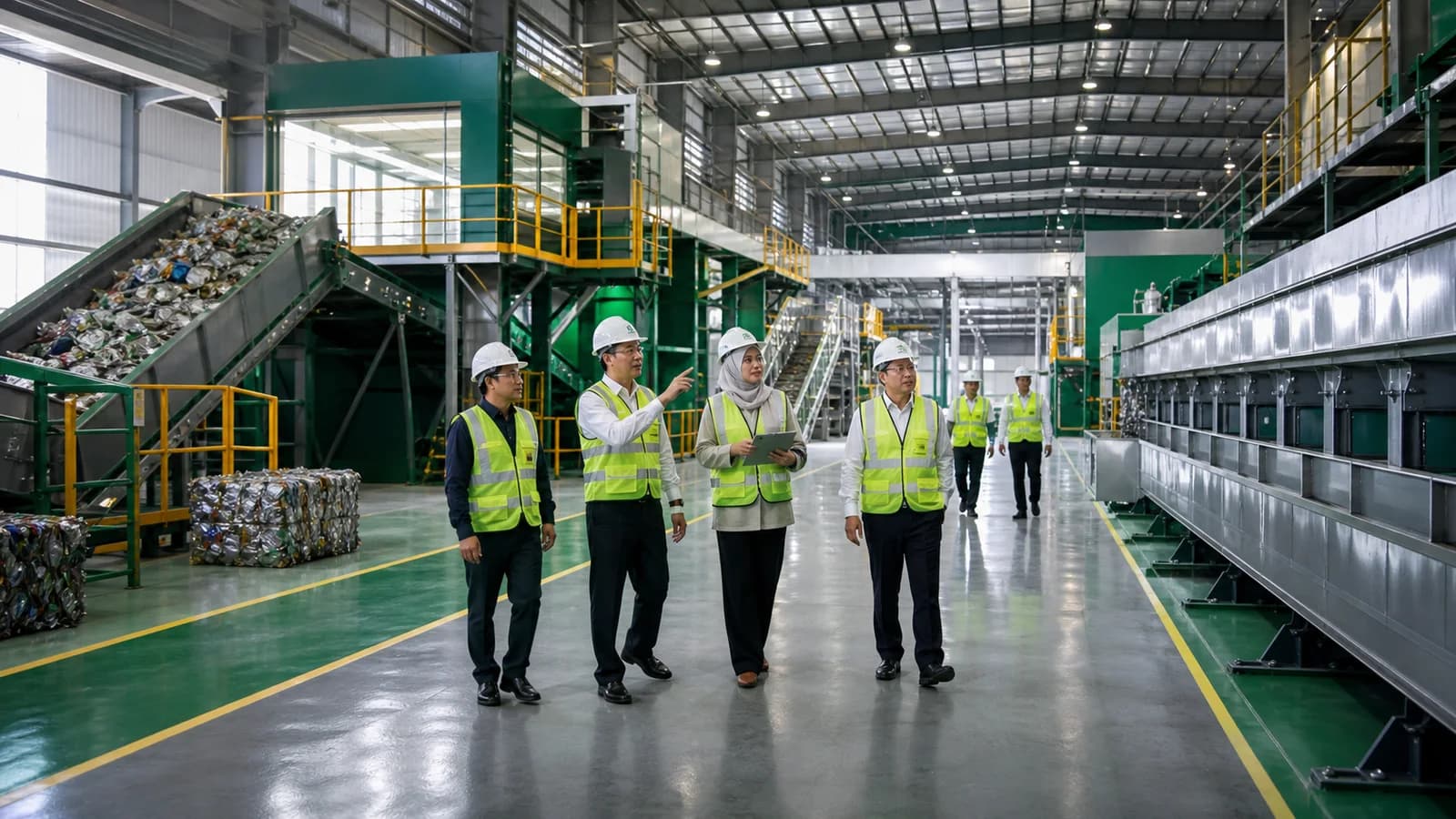
Connecting the entire recycling value chain.
PERKESA coordinates an ecosystem—not a trading yard. We connect the businesses, institutions and technologies that keep valuable materials in productive use.
PERKESA02Institutional platformHow value moves through Malaysia’s recycling economy.
PERKESA connects the organisations responsible for collecting, sorting, processing, manufacturing and returning recovered materials to productive use.
Recovery
Materials are collected from commercial, industrial, construction and community sources.
Aggregation
Responsible operators consolidate material and prepare it for verified processing.
Processing
Sorting, grading and recovery technologies transform material into usable specifications.
Manufacturing
Secondary raw materials return to factories, infrastructure and productive supply chains.
Circular use
Products and materials remain in use for longer, reducing avoidable disposal and virgin-resource demand.
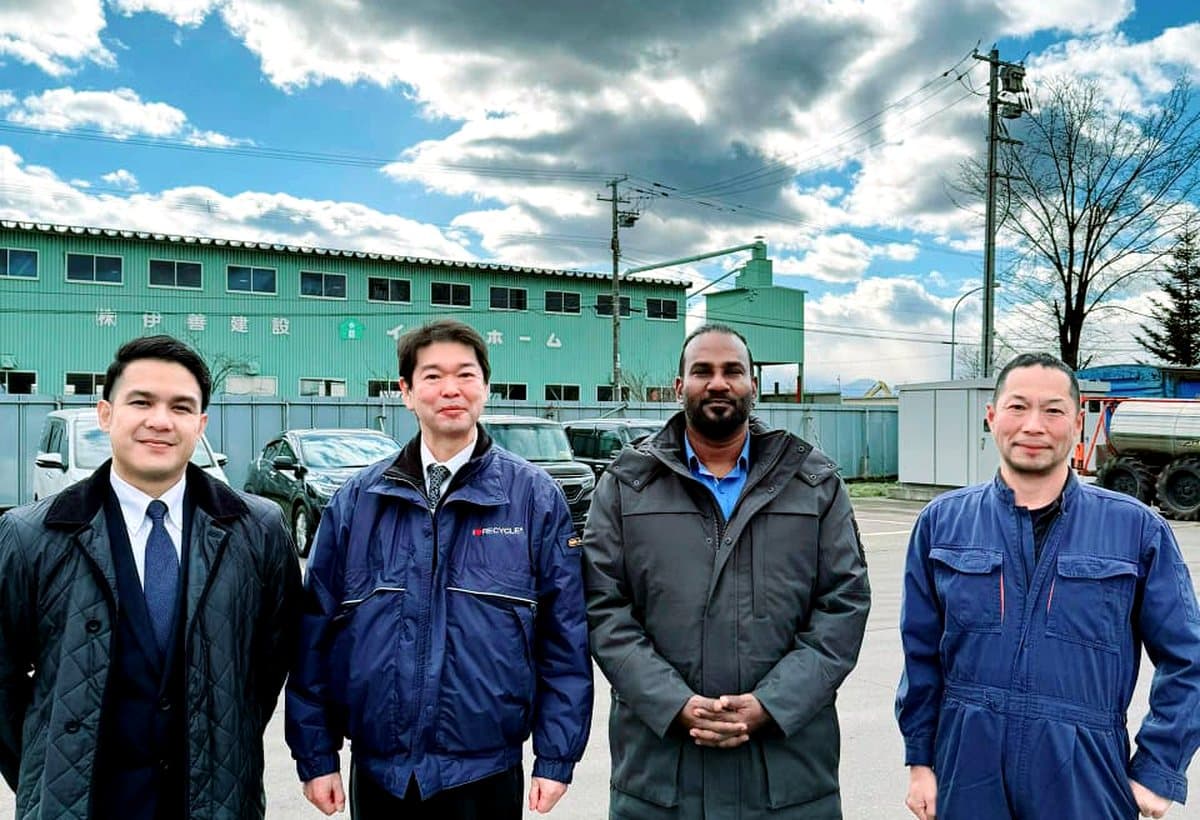
One connected ecosystem—not a scrap-metal trading company.
PERKESA represents the network around material recovery: recyclers, manufacturers, construction firms, logistics providers, equipment specialists, environmental services and responsible material traders.
About the associationA wider industry with specialised capabilities.
The national network spans multiple recyclable materials, technologies and operating models. Material-specific requirements, permits and standards must always be observed.
Ferrous & non-ferrous metals
Steel, aluminium, copper and other recoverable industrial metals.
Automotive recovery
Vehicles, components, metals and compliant end-of-life recovery.
Construction & demolition
Recovering valuable material from projects, renovation and infrastructure.
Manufacturing by-products
Connecting production residues with responsible recovery and reuse pathways.
Electronics & critical materials
Specialised recovery subject to strict controls and applicable regulation.
Plastics, paper & packaging
Supporting wider material recovery and circular packaging systems.
Logistics & material trade
Traceable movement, storage and compliant domestic or international trade.
Technology & equipment
Sorting, processing, safety, traceability and efficiency solutions.
Recycling is infrastructure for the whole economy.
Recovered materials support major Malaysian industries. PERKESA helps connect responsible operators with the organisations that consume materials, manage assets and deliver national development.
Manufacturing
Circular inputs, production recovery and supply-chain resilience.
Construction
Project recovery, responsible vendors and material diversion.
Automotive
Component, vehicle and metal recovery across the mobility value chain.
Infrastructure
Responsible recovery connected to utilities and national projects.
Logistics & ports
Traceable storage, movement, customs and compliant trade.
Global markets
Qualified international relationships for legal secondary raw materials.
Credibility depends on clear standards.
PERKESA’s role is to strengthen responsible industry practices—not to blur the distinction between recyclable commodities, controlled materials and prohibited waste.
Legal compliance
Licensing, permits and operating requirements appropriate to each activity and material.
Traceability
Clear counterparties, documentation, specifications and movement records.
Safety & workforce
Safer sites, trained teams and responsible handling practices.
Ethics & accountability
Professional conduct, transparent representation and evidence-led claims.
Responsible operations. PERKESA’s role is to strengthen responsible industry practices—not to blur the distinction between recyclable commodities, controlled materials and prohibited waste.
View guidanceOne Malaysian network, ready to become more visible.
Select a state to explore the framework. Verified member, material and facility coverage can be activated when publication consent and approved records are available.
Keeping materials productive creates value beyond recycling.
A stronger recovery ecosystem can reduce avoidable disposal, conserve resources, support manufacturing and create skilled green-economy opportunities.
Resource productivity
Recovering value from materials already circulating in the economy.
Environmental progress
Reducing landfill pressure and demand for virgin inputs.
Industrial resilience
Strengthening domestic material availability and circular manufacturing.
Innovation & employment
Supporting technology, professional skills and responsible business growth.